Creating a landscape that not only enhances the beauty of a property but also supports local wildlife and pollinators is both an art and a science. Many homeowners are increasingly interested in how their landscapes can contribute to environmental health. This desire leads to thoughtful choices in residential landscaping that prioritize native plants, sustainable practices, and ecological diversity.
The Importance of Native Plants
Native plants are integral to attracting local wildlife. Unlike non-native species, these plants have evolved alongside regional fauna, forming essential relationships with local insects, birds, and other animals. For instance, native flowers provide nectar for butterflies and bees, while native shrubs offer berries for birds. By incorporating native species into residential landscape design, homeowners can create an inviting habitat that promotes biodiversity.
Selecting the right plants begins with understanding your local ecosystem. Researching which species thrive in your area is crucial. For example, if you reside in the Midwest, consider planting purple coneflower or black-eyed Susan; both are known for attracting pollinators. In contrast, if you live in a coastal area, options like beach strawberry or sea oats may be more appropriate.
Soil Health Matters
Healthy soil is fundamental to supporting robust plant life. When designing landscapes that attract wildlife, consider implementing organic gardening practices that enhance soil quality without harmful chemicals. Techniques such as composting can improve soil fertility and structure while providing nutrients to plants.
Additionally, incorporating mulch can help retain moisture in the soil and suppress weeds, creating a more hospitable environment for native flora. Healthy soils lead to vigorous plant growth which directly supports diverse wildlife populations.
Creating Diverse Habitats
A successful landscape should mimic natural ecosystems by offering various habitats within the space. This diversity can be achieved through thoughtful hardscaping and softscaping elements.
For instance, consider adding water features like ponds or birdbaths to provide vital drinking sources for wildlife. These features not only support birds but also attract amphibians and beneficial insects like dragonflies.
Incorporating different layers of vegetation—such as trees, shrubs, perennials, and ground covers—creates opportunities for various species to thrive. A layered garden design offers shelter at multiple heights and fosters greater interaction among wildlife.
Include Pollinator Gardens
Pollinator gardens specifically focus on attracting bees, butterflies, and other essential pollinators. When designing these spaces within your landscape:
Choose a variety of flowering plants that bloom at different times throughout the seasons. Aim for clusters of the same type of plant rather than scattering them throughout your garden; this makes it easier for pollinators to find food. Avoid using pesticides whenever possible; even organic options can be harmful. Provide shelter such as dense flower beds or patches of bare ground where nesting bees can burrow. Consider leaving some areas wild or un-mulched to encourage natural habitats.By dedicating parts of your property specifically to pollinator-friendly plants like milkweed or bee balm, you create vibrant ecosystems that support both animal life and plant reproduction.
Water Management Strategies
Water management is another critical aspect of landscaping designed for wildlife attraction. Proper drainage systems prevent flooding while ensuring that water collects where needed most. Rain gardens are an effective solution—these shallow depressions filled with native plants allow rainwater runoff to collect naturally while filtering pollutants before entering the groundwater system.
Including permeable hardscaping elements allows water to seep through surfaces instead of running off into storm drains where it might carry contaminants into local waterways.
Sustainable Practices in Maintenance
Once a landscape has been established with an emphasis on attracting wildlife and pollinators, maintaining it sustainably becomes essential. Regular check-ins throughout the growing season ensure that invasive species do not take root while keeping the ecosystem balanced.
Engaging in practices like mulching during dry spells helps retain moisture without requiring excessive watering from hoses or sprinklers—an important consideration given current concerns about water scarcity.
Using organic fertilizers instead of synthetic ones can further protect local ecosystems by minimizing chemical runoff into nearby streams or rivers.
Designing Functional Outdoor Spaces
To harmonize aesthetics with ecological benefits, consider how outdoor spaces serve functional purposes beyond visual appeal. Patios made from permeable materials allow rainwater infiltration while providing outdoor living areas perfect for entertaining guests who appreciate nature's beauty.
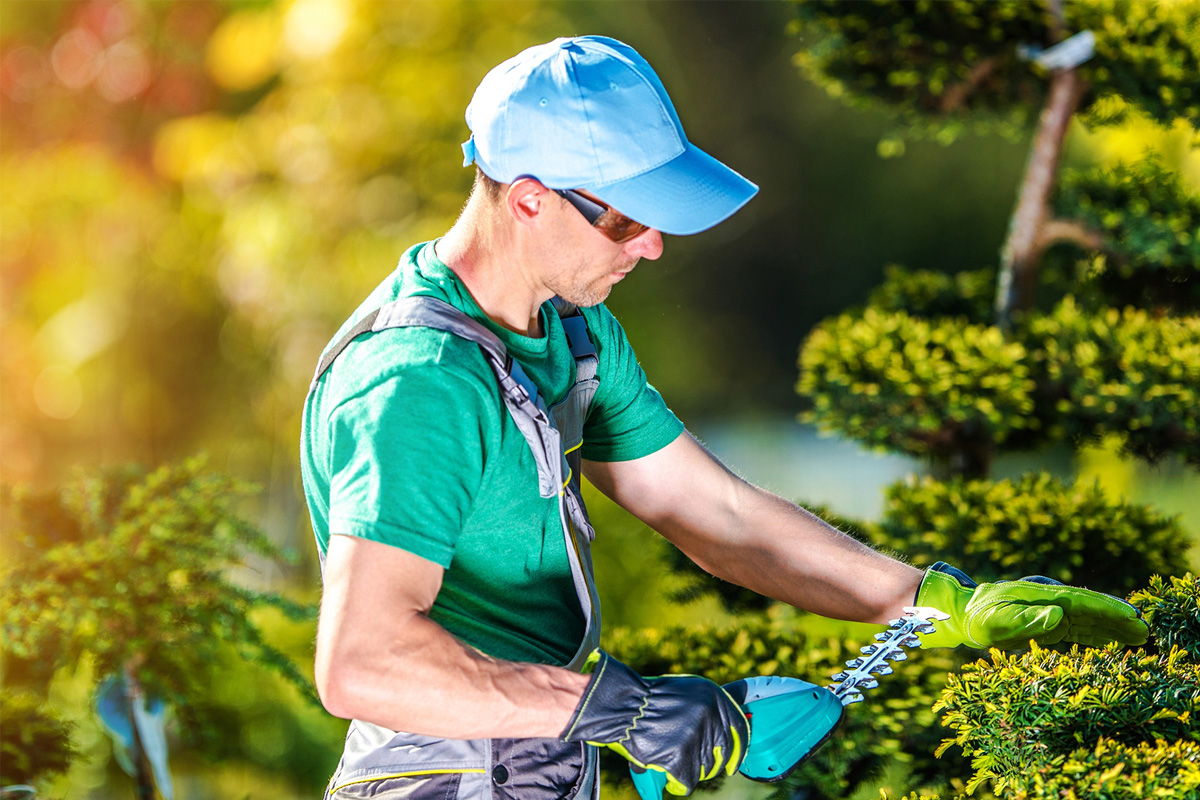
Incorporating seating areas surrounded by lush greenery deepens one’s connection with nature as well—imagine sipping coffee outdoors surrounded by buzzing bees and fluttering butterflies! Such experiences cultivate appreciation for our environment while promoting mindfulness about its fragility.
Engaging with Local Communities
Creating landscapes that support local wildlife often extends beyond individual properties; engaging with neighbors strengthens community efforts toward ecological stewardship as well! Organizing neighborhood projects focused on planting native gardens can foster collaboration among residents committed to enhancing their shared environment.
Participating in community education programs about sustainable landscaping practices equips homeowners with knowledge regarding how they might contribute positively towards their surroundings collectively.
Overcoming Challenges
Designing landscapes that attract local wildlife does come with its challenges; however addressing potential obstacles head-on ensures long-term success! One common concern involves pests damaging desirable plants—a reality faced by many gardeners across various climates.
Implementing integrated pest management strategies minimizes reliance on harmful chemicals while employing natural solutions such as introducing beneficial insects (like ladybugs!) into gardens.
Another challenge lies in climate variability impacting plant survival rates—resilience becomes key here! Selecting drought-tolerant varieties ensures beautiful blooms even during dry spells without succumbing entirely due lack thereof rainfall.
Embracing Change
The process of designing these habitats requires patience; understanding seasonal cycles allows gardeners time enough react when changes occur within their landscapes over time!
Whether adapting designs based on observations made throughout seasons or finding joy amidst imperfections experienced along way—embracing change fosters deeper connections between individuals & nature itself!
effective residential landscape solutionsThrough hands-on experience & ongoing education gardeners develop expertise capable driving meaningful impact towards nurturing healthier ecosystems!
Conclusion
Designing landscapes that attract local wildlife enriches both human lives & surrounding environments alike! Homeowners willing invest time energy implementing these principles ultimately reap benefits far exceeding aesthetic value alone—contributing positively towards conservation efforts maintaining biodiversity necessary sustaining earth's delicate balance!
By prioritizing native plants & sustainable practices alongside fostering diverse habitats through creative hardscaping solutions every homeowner has opportunity make lasting difference within their own backyards!