The growing awareness of environmental issues has transformed the way we approach residential landscaping. Homeowners are increasingly seeking eco-friendly solutions to create beautiful outdoor spaces while minimizing their environmental impact. The challenge lies in balancing aesthetic appeal with sustainability, making thoughtful choices that enhance both the home and the planet. This article explores various strategies and practices for creating sustainable landscapes that are not only visually pleasing but also environmentally responsible.
Understanding Sustainable Landscaping
Sustainable landscaping encompasses a range of practices aimed at conserving resources, protecting local ecosystems, and promoting biodiversity. It involves designing, installing, and maintaining landscapes that harmonize with nature rather than disrupt it. This approach prioritizes native plants, efficient water use, soil health, and waste reduction.
One of the key principles is to select native plants that are well-suited to the local climate and soil conditions. Native species require less water and maintenance compared to non-native varieties because they have adapted to the local environment over centuries. By choosing these plants, homeowners can create vibrant gardens that support local wildlife while reducing their reliance on chemical fertilizers and pesticides.
Another important aspect of sustainable landscaping is water management. Traditional lawns often demand excessive amounts of water for upkeep. In contrast, xeriscaping—designing landscapes with drought-resistant plants—can significantly reduce water consumption. Incorporating permeable surfaces such as gravel or permeable pavers allows rainwater to infiltrate into the ground rather than run off into storm drains, helping recharge groundwater supplies.
Designing Your Sustainable Landscape
When embarking on a home landscape design project with sustainability in mind, it's essential to start with a comprehensive plan. Assess your site by considering its topography, soil type, sunlight exposure, and existing vegetation. This initial evaluation will shape your design choices.
Zones of Use
Dividing your yard into functional zones can help maximize space while catering to different needs. Consider areas for entertainment, gardening, play, and relaxation. Each zone can be designed with its specific purpose in mind while still adhering to sustainable practices.
For instance, if you enjoy entertaining outdoors, explore hardscaping options using recycled materials such as reclaimed wood or bricks for patios or pathways. These elements not only add character but also contribute to Learn here sustainability by reusing materials that might otherwise end up in landfills.
Plant Selection
Selecting plants is one of the most impactful decisions you will make during the design process. Focus on native plants that thrive in your region's climate conditions. For example, if you live in a dry area like Southern California, consider succulents or drought-tolerant grasses such as blue fescue or California lilac (Ceanothus). These plants require minimal watering once established and provide habitat for local pollinators.
In addition to native species, think about incorporating edible plants into your landscape design. Fruit trees, vegetables, herbs, and berries can enhance both aesthetics and functionality while providing fresh produce right from your backyard.
Implementing Sustainable Practices
Once you have developed a design plan centered around eco-friendly principles, the next step is implementation—ensuring that each element adheres to sustainable practices throughout installation and ongoing maintenance.
Soil Health
Healthy soil serves as the foundation for any successful landscape project. Before planting anything new, consider conducting a soil test to understand its composition and nutrient levels. Adding organic matter such as compost can improve soil structure while enhancing its fertility without resorting to synthetic fertilizers.
Mulching is another effective practice that contributes to soil health by suppressing weeds and retaining moisture during dry spells. Organic mulches like shredded bark or straw break down over time and enrich the soil further.
Water Conservation Techniques
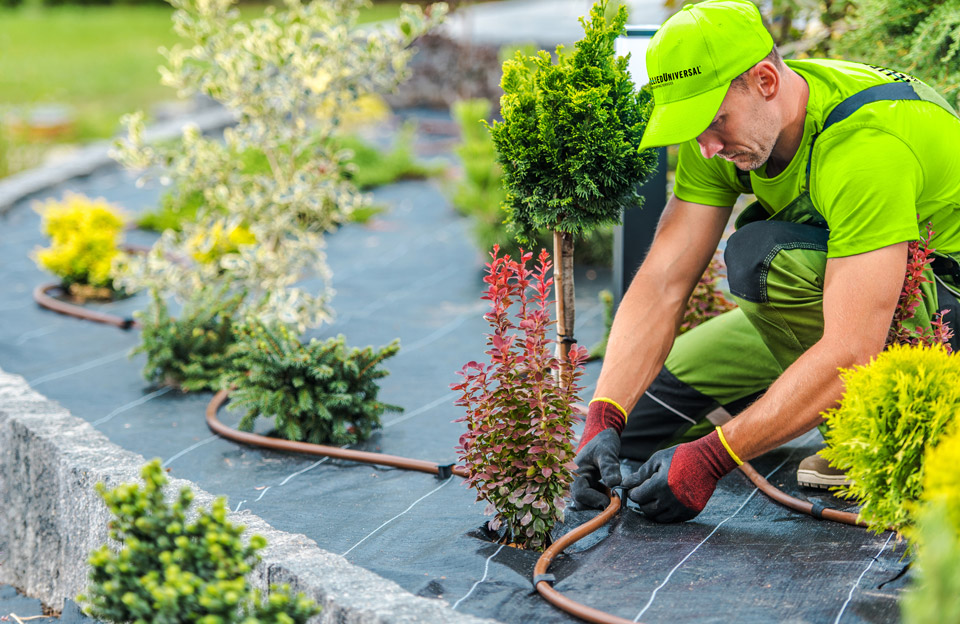
Effective irrigation systems play a vital role in maintaining a sustainable landscape by minimizing water waste. Drip irrigation systems deliver water directly to plant roots where it’s needed most while reducing evaporation losses associated with traditional overhead sprinklers.
Rain barrels are another fantastic option for conservation-minded homeowners looking to capture rainwater runoff from roofs for later use in gardens or landscapes. By utilizing this natural resource effectively during dry periods or droughts can lead not only to significant savings on utility bills but also reduce pressure on municipal water supplies.
Ongoing Maintenance Strategies
Sustainable landscaping does not end once installation is complete; regular maintenance ensures long-term viability while keeping environmental impacts low.
Integrated Pest Management (IPM)
Instead of relying solely on chemical pesticides when dealing with pests or diseases affecting plants within your landscape—consider implementing an Integrated Pest Management (IPM) strategy which incorporates monitoring pest populations combined with biological control agents (such as beneficial insects), cultural practices (like crop rotation), habitat manipulation (like introducing birdhouses), along with judicious pesticide use only when absolutely necessary.
Lawn Care Alternatives
Traditional grass lawns require constant mowing—a task often requiring fuel-dependent equipment—and regular watering which may lead homeowners towards unsustainable practices over time due largely stemming from high resource demands involved therein; instead exploring alternatives like clover mixes can yield attractive ground cover options requiring little maintenance yet providing benefits such as nitrogen fixation improving overall soil quality!
Another alternative is incorporating wildflower meadows into previously grassy areas which support biodiversity whilst also beautifying spaces beyond mere uniform green grass patches!
Hardscaping Elements That Enhance Sustainability
While softscaping focuses primarily on living plant materials within landscapes—hardscaping refers specifically towards non-plant features including pathways patios walls decks etc.; utilizing sustainable hardscape materials helps create functional outdoor spaces whilst ensuring minimal environmental impact over time through careful selection processes promoting longevity recycling & energy efficiency throughout their lifespan!
For instance using permeable paving allows rainwater infiltration helping prevent stormwater runoff issues alongside providing aesthetic appeal versus opting solely concrete slabs which hinder natural drainage patterns! Consider also using locally sourced stone instead imported variants reducing transportation emissions associated thereof promoting regional economies benefiting communities directly involved these efforts too!
Real-World Examples of Sustainable Landscapes
Several exemplary residential projects showcase successful applications of sustainable landscaping principles:
The Edible Garden: A family transformed their front yard into an edible paradise featuring raised beds filled with vegetables complemented by flowering herbs attracting pollinators! Not only did they save money on groceries but fostered community engagement through sharing surplus harvests!
Xeriscaped Oasis: In arid regions prone drought conditions homeowners replaced traditional turf lawns entirely xeric landscaping featuring rock gardens dotted colorful succulents providing habitat wildlife thriving without additional irrigation needs!
Rain Garden Retreat: Inspired by stormwater management concerns residents created rain gardens capturing runoff from driveways directing excess moisture toward native wetland plants helping filter pollutants returning clean groundwater sources instead flooding streets during heavy rains!
These examples illustrate how innovative designs utilizing eco-friendly solutions lead meaningful change within communities fostering resilience against climate challenges together!
The Path Forward
Embracing sustainable landscaping requires commitment from homeowners willing invest time effort creativity crafting environments harmonious nature! Whether selecting native flora establishing efficient irrigation systems implementing maintenance strategies based upon ecological principles—the journey towards creating an eco-friendly outdoor haven offers numerous rewards both visually ecologically—benefits extend well beyond immediate surroundings contributing positively broader ecological frameworks upon which we all depend ultimately fostering healthier ecosystems thrive future generations enjoy too!